
Hyperpigmentation and Melasma: Causes and Care
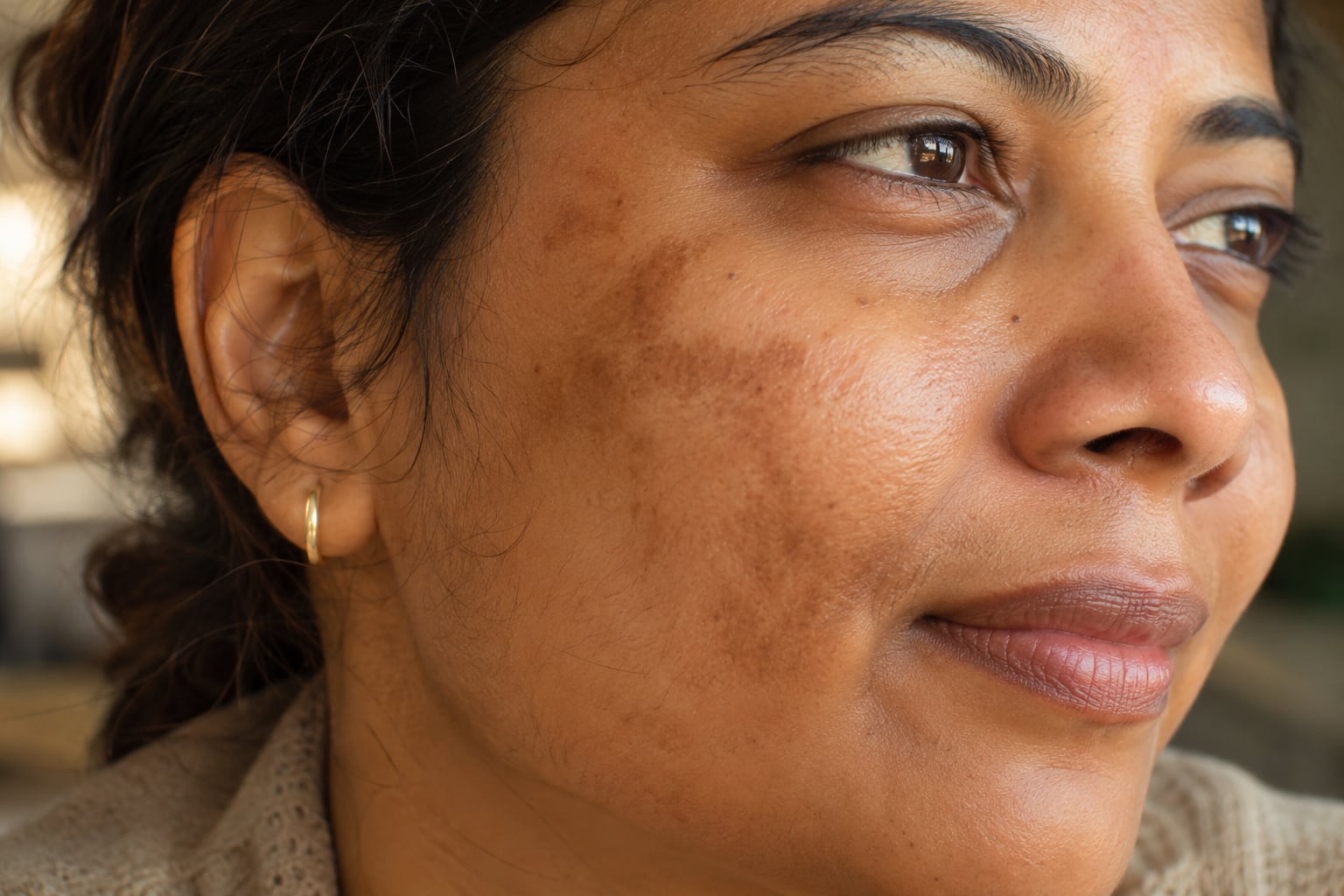
my.clevelandclinic.org puts the basics plainly: "Hyperpigmentation is a common condition that makes some areas of the skin darker than others." This hub also covers melasma, and pmc.ncbi.nlm.nih.gov opens its introduction with the line "Melasma is a chronic, acquired disorder of focal hypermelanosis".
Reading a pigment quote line by line
A price for pigment care may arrive as one figure. Ask to see it split into the first visit, each treatment session and any follow-up, with a note on which parts are firm.
Some background makes those questions sharper. The page on melasma (facial pigmentation) is a useful read, and postinflammatory hyperpigmentation has a page of its own there.
Articles, in the order a reader tends to need them
Start with the questions about why the patches appeared. Then move toward the day-to-day care.
- What triggers melasma patches on the face is the place to begin when you want to know why patches showed up.
- Medical causes of skin that turns darker helps a reader rule out other explanations.
- Why dark marks linger after a breakout or injury is for marks that stay after the skin has healed.
- Daily habits that keep melasma from darkening comes last, once you know what you are managing.
The lever these pages cover least
These pages say little about setting written quotes side by side, so do that yourself: ask for an itemized one, then compare it with a second clinic's version, line by line.
If a quote bundles several treatments, a patient overview of hyperpigmentation is worth skimming first, so you know which condition each line is meant to address. For readers in Chelsea, Michigan, bring those questions to your first consultation.